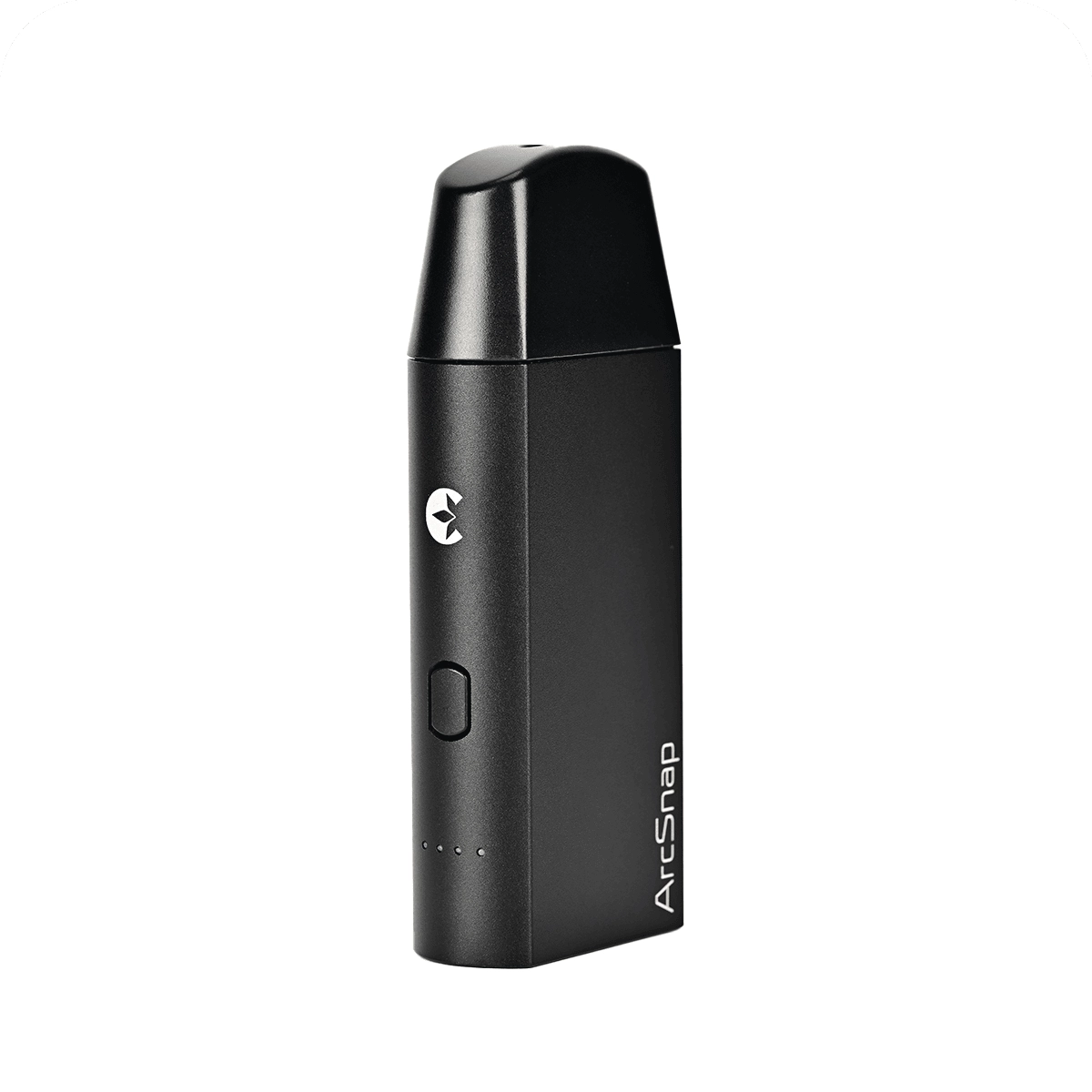
Portable accessories have changed considerably as manufacturers have incorporated modern electronics into compact everyday products. The electric dugout is one example of this development. It combines the organized storage concept associated with traditional dugout designs with electronic components that can provide additional functionality.
An Electric Dugout may look simple from the outside, but its internal design can involve several components working together. Battery systems, controls, storage compartments, heating technology, and protective housings can all influence how a particular model performs. Understanding these elements gives users a clearer basis for comparing designs and taking proper care of their device.
The Evolution of the Dugout Concept
Traditional dugouts have long been valued for their compact design. Rather than carrying a larger collection of separate accessories, users can keep essential components together in one small container.
The introduction of electronic features changes that concept by adding powered functionality. This reflects a broader trend in consumer products: familiar objects are increasingly being redesigned with rechargeable batteries, sensors, controls, and compact electronics.
The result is not simply a smaller electronic device. It is an accessory designed around organization and portability while incorporating technology that may simplify certain functions.
Main Design Elements
Although designs differ, most electric dugouts can be understood by looking at several major areas.
Storage Compartment
The storage section is one of the most practical elements. It should provide enough room for its intended contents without making the overall device unnecessarily bulky.
A good compartment should also be easy to access while remaining sufficiently secure during transportation. A poorly designed closure can lead to spills, contamination, or unnecessary cleaning.
Electronic System
The electronic section may contain a battery, control circuit, indicator light, and other components. If heating technology is incorporated, the system may also include a heating element and associated temperature controls.
Electronic complexity varies significantly. Some devices are deliberately simple, while others include several controls intended to provide a more customized experience.
Outer Housing
The housing protects the internal components and determines much of the device's durability. Materials such as aluminum, steel, wood, and engineered plastics can all be used depending on the design.
The ideal material depends on the intended balance between durability, weight, appearance, and maintenance.
Understanding Battery Capacity
Battery capacity is one of the first technical specifications worth examining in an electric accessory. Capacity is commonly expressed in milliampere-hours, or mAh.
A larger number does not automatically mean that a device is better. Higher capacity can increase operating time, but it may also require a larger battery and add weight.
Other battery characteristics matter as well:
- Charging speed
- Battery chemistry
- Number of charging cycles
- Power management
- Charging-port type
- Battery protection features
- Low-battery indicators
A balanced battery system should match the device's power requirements rather than simply maximizing capacity.
Why Temperature Management Can Matter
Some electronic dugout designs may incorporate heating technology. When a heating element is present, temperature management becomes an important part of the device's operation.
Consistent temperature control can help prevent unnecessary overheating of the component. It can also improve reliability by reducing excessive stress on the heating system.
Users should never attempt to modify internal heating components without appropriate technical knowledge. Altering electronic systems can create unpredictable behavior and may introduce battery or electrical hazards.
The Importance of Ergonomic Design
Small devices still need to be comfortable to hold and operate. Ergonomics refers to how naturally an object fits into everyday use.
For a compact electronic accessory, useful ergonomic features may include:
- Clearly positioned controls
- A comfortable grip
- A secure lid
- Easy-to-read indicators
- Accessible charging connection
- Logical component placement
- A balanced overall shape
Good ergonomics can make a device easier to handle without requiring unnecessary complexity.
Cleaning Different Materials
Maintenance requirements can vary depending on construction materials. Metal surfaces are often relatively easy to wipe clean, while wood may require more careful treatment to avoid excessive moisture.
Plastic components should be cleaned according to their material compatibility, particularly if they are exposed to heat or residue.
Electronic sections require the greatest care. Liquid should not be allowed to enter charging ports, control buttons, battery compartments, or other openings unless the manufacturer specifically identifies those areas as water-resistant.
A Practical Maintenance Routine
A regular maintenance routine can help prevent small problems from becoming larger ones.
Inspect Before Cleaning
Check the device for visible damage, loose parts, cracks, unusual battery swelling, or other signs that could affect safe operation.
Remove Debris Carefully
Use suitable dry tools to remove accessible particles. Avoid pushing debris farther into narrow openings.
Check the Charging Port
Dust and residue around the charging connection can interfere with charging. The port should be kept clean and dry.
Inspect Moving Parts
Hinges, lids, sliding mechanisms, and removable components should operate smoothly. Excessive force should not be necessary.
Store Properly
When the device is not being used, store it in a dry location away from extreme temperatures and unnecessary pressure.
What Makes a Portable Design Practical?
Portability is not simply about making a product small. A practical portable design must balance size with functionality.
If a device is too small, the battery may be limited and controls may become difficult to operate. If it is too large, the main advantage of compact storage may disappear.
A balanced design should provide enough room for necessary components while remaining easy to carry.
This is why dimensions, weight, storage capacity, and battery size should be evaluated together rather than separately.
Comparing Simplicity With Technology
One of the most important decisions when evaluating an electric dugout is whether electronic functionality actually adds useful value.
A traditional dugout has fewer components and generally does not require charging. This simplicity can make maintenance straightforward.
An electric model, by comparison, may provide additional functionality but also introduces batteries, charging requirements, electronic controls, and more potential points of failure.
Consideration
Simple Design
Electronic Design
Maintenance
Usually minimal
Requires additional care
Power
Not normally needed
Battery may be required
Components
Fewer
More
Portability
Usually strong
Usually strong
Technical complexity
Low
Higher
Charging
None
Required on rechargeable models
The best choice depends on individual priorities. Someone who values simplicity may prefer fewer components, while someone who values integrated functionality may appreciate the electronic approach.
Battery Safety Should Not Be Overlooked
Rechargeable batteries are convenient, but they should be treated as technical components rather than ordinary disposable objects.
Users should avoid attempting to open or repair a battery unless qualified to do so. A battery that becomes unusually hot, swollen, cracked, or damaged should not continue to be used.
Other sensible precautions include:
- Keep batteries away from extreme heat.
- Use compatible charging equipment.
- Do not crush or puncture the device.
- Avoid charging visibly damaged equipment.
- Follow manufacturer storage instructions.
- Keep the device away from children and pets.
These basic practices apply to many rechargeable consumer electronics, not only dugout-style accessories.
Legal and Responsible Considerations
Electronic accessories may be subject to different rules depending on where they are owned or used. Laws can vary by country, state, province, or municipality, while individual properties may have additional restrictions.
Users should verify the rules applicable to their location and intended use. Age restrictions and public-use policies may also apply.
Responsible ownership also means keeping the device secured when it is not in use. Compact size should not be mistaken for harmlessness; electronic accessories still require appropriate storage and handling.
Choosing Based on Features Rather Than Appearance
Product photography can make different models appear similar even when their internal specifications are very different. For that reason, specifications are often more useful than appearance when comparing options.
Pay attention to:
- Battery specifications
- Materials
- Storage capacity
- Charging system
- Cleaning requirements
- Device dimensions
- Warranty or support information
- Replacement-component availability
A well-rounded evaluation should consider both immediate convenience and long-term ownership.
Common Questions to Ask Before Purchase
Before selecting an electric dugout, it can help to ask a few practical questions.
Does the device have a rechargeable battery? How long does charging normally take? Are replacement components available? Can the storage compartment be cleaned easily? Are electronic parts protected from accidental exposure to residue?
These questions help reveal whether the design is genuinely practical or simply visually appealing.
Long-Term Ownership
Long-term usability depends heavily on maintenance. Batteries naturally lose capacity over time, while hinges, seals, charging ports, and moving components can experience wear.
Regular inspection can identify problems early. Cleaning should be performed according to the manufacturer's recommendations, and damaged components should not be ignored.
A device that receives appropriate care can generally remain more reliable than one that is repeatedly exposed to moisture, excessive heat, physical impact, or poor charging practices.
Conclusion
Electric dugouts demonstrate how familiar portable accessories can incorporate modern electronic technology without abandoning compact organization. Their usefulness depends on more than the presence of a battery or electronic controls. Construction quality, ergonomics, storage design, charging requirements, maintenance, and long-term reliability all deserve attention.
For adults evaluating this category, an Electric Dugout may provide an interesting combination of portability and integrated functionality. Understanding the technical features and maintaining the device properly are essential for responsible, reliable everyday ownership.
FAQs
1. How is an electric dugout different from a traditional dugout?
The primary difference is the inclusion of electronic components. A traditional dugout generally relies on a simple mechanical design, while an electric version may include a rechargeable battery, electronic controls, lighting, or heating technology. The exact features vary by model, so specifications should always be reviewed individually.
2. What battery features should users check?
Battery capacity, charging method, charging time, battery protection, and expected operating duration are useful specifications to examine. A larger battery is not necessarily superior because it can increase size and weight. Users should choose a system appropriate for the device and use only compatible charging equipment recommended for that model.
3. Can electric dugouts get damaged by moisture?
Yes. Unless a specific model is clearly designed and rated for water resistance, moisture can damage electronic components. Charging ports, buttons, batteries, and internal circuits should be kept dry. Cleaning should follow the manufacturer's instructions, and washable components should be completely dry before they are returned to the device.
4. How can an electric dugout be maintained properly?
Regular maintenance involves removing residue carefully, checking the storage compartment, inspecting the charging port, and examining the device for physical damage. Electronic areas should be protected from liquids. Battery condition should also be monitored, and the device should be stored somewhere dry and away from extreme temperatures.
5. What should buyers consider when comparing electric dugouts?
Important considerations include construction materials, battery capacity, portability, storage design, charging requirements, controls, cleaning needs, and overall durability. It is also useful to consider replacement parts and support information. Rather than choosing solely based on appearance, users should compare specifications to determine whether the design suits their practical requirements.