Introduction
Not all filament is equal, even when the label promises the same material. The difference between a frustrating print and a flawless one often lies in the quality of the spool itself: how consistently it was manufactured, how cleanly it was wound, and how carefully it was stored before it reached the printer. PETG rewards makers who pay attention to these details, because a well-made spool flows evenly, bonds strongly, and produces parts with smooth surfaces and accurate dimensions. Material excellence is not a luxury for advanced users; it is the foundation of every reliable print.
A premium spool begins with clean raw material and precise extrusion. PETG diameter must stay within a narrow tolerance along the entire length, otherwise flow will vary, walls will thicken and thin, and surfaces will show artefacts that no slicer setting can fully correct. Good winding matters too, because tangles and overlaps cause feed failures mid-print. When a spool is manufactured and packaged with care, the printer can maintain steady extrusion from the first layer to the last.
What Quality Looks Like
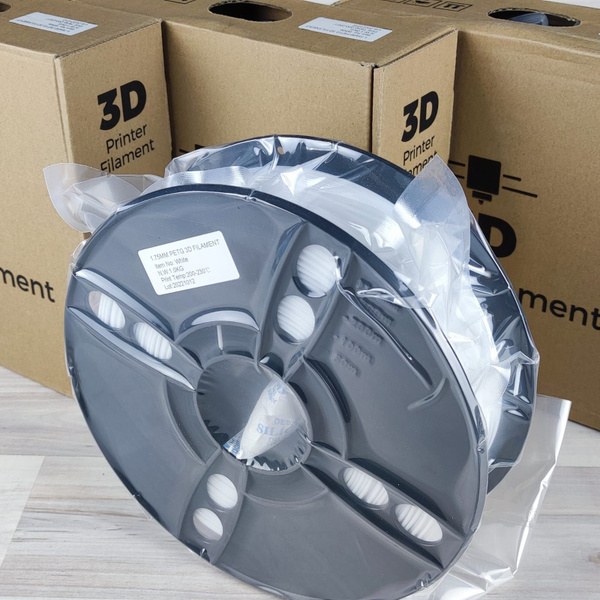
Quality in PETG can be recognised through several practical signs. PETG filament should feel smooth and consistent, unwind without catching, and show uniform colour without cloudy patches or visible contamination. During printing, it should melt cleanly, lay down even lines, and produce a surface that is neither excessively stringy nor rough. A quality spool also arrives dry and well sealed, because moisture absorbed during storage causes bubbling, popping, and weakened layers that undermine even the best printer settings.
Makers can protect quality by storing PETG in sealed containers with desiccant, away from humidity and direct sunlight. PETG that has absorbed moisture can often be dried in a filament dryer or a low-temperature oven, restoring much of its original performance. Treating filament as a precision material, rather than a commodity, pays off in fewer failed prints and parts that consistently meet expectations.
Consistency Across Colours and Batches
Consistency should extend across colours and batches. PETG in different colours may require slightly different temperatures, because pigments affect how the material melts and flows. A reputable manufacturer provides guidance for each colour and maintains similar diameter and roundness across its range, so a maker can switch colours without recalibrating the entire printer. Batch-to-batch consistency is equally important for teams that print the same part repeatedly and need each run to match the last.
Why Excellence Saves Time and Money
Cheap filament can appear economical until failed prints, wasted time, and rework are counted. PETG of reliable quality reduces those hidden costs by printing successfully more often, requiring less tuning, and producing parts that need less finishing. For hobbyists, that means more time creating and less time troubleshooting. For small businesses, it means predictable production, happier customers, and fewer returns. Material excellence is therefore an investment, not an expense.
Choosing and Caring for Your Spool
Choosing a spool begins with reading specifications honestly. PETG buyers should check diameter tolerance, recommended temperature range, and storage guidance, and they should buy from suppliers who stand behind their product. After purchase, careful handling completes the picture: keep the spool dry, avoid dropping or crushing it, and note the settings that worked well for future reference. A small log of temperatures, speeds, and results turns experience into a repeatable process.
Storing Filament for Best Results
Even excellent PETG loses performance when it is stored carelessly. Humidity is the main enemy, because the material absorbs moisture from the air, and wet filament prints with popping, bubbling, and weak layers. Sealed bags or boxes with desiccant, kept away from damp rooms and direct sunlight, preserve a spool for months. A maker who returns filament to sealed storage after each print, rather than leaving it on the printer for weeks, will notice fewer surprises and more consistent results across projects.
Drying is a useful recovery step when PETG has absorbed moisture. A dedicated filament dryer, or a carefully controlled low-temperature oven, can drive moisture out and restore much of the original strength and surface quality of the material. After drying, the spool should be printed promptly or returned to sealed storage, because it will absorb moisture again if left exposed. Treating storage and drying as part of the printing workflow, rather than an afterthought, protects both the material investment and the quality of every part it produces.
Building a Reliable Filament Routine
A reliable PETG routine begins the moment a new spool arrives. Check the packaging for damage, confirm the diameter and colour match the order, and store the spool sealed with desiccant until it is needed. Before the first print, note the recommended temperature range and record the settings that produce a clean first layer and smooth walls. That brief routine, repeated for every spool, prevents many common problems and creates a baseline that makes troubleshooting far easier when something changes.
The routine should continue throughout the life of the PETG spool. Return filament to sealed storage between prints, dry it promptly if stringing or bubbling appears, and keep a short log of successful profiles for each colour. When a spool is nearly finished, compare its behaviour with a fresh spool of the same material, because small batch differences can affect temperature and flow. Makers who treat filament care as part of printing, rather than as an optional extra, enjoy steadier results, fewer failed prints, and parts that consistently reflect the quality of their designs.
Conclusion
Every successful print begins long before the printer starts, in the quality of the material loaded onto it. PETG Filament of genuine excellence offers consistent diameter, clean flow, strong bonding, and predictable behaviour that makers can rely on project after project. Choose spools from trusted sources, store them dry, dry them when needed, and record the settings that succeed. With material excellence as a habit, printing becomes less about troubleshooting and more about creating, which is exactly where the enjoyment lies.