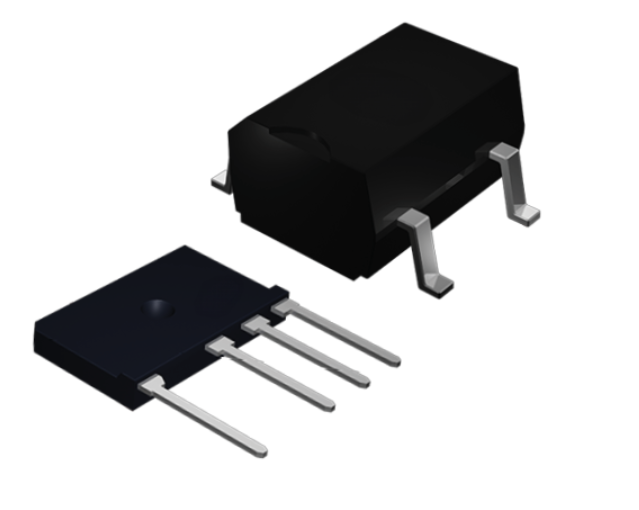
Reliable power conversion is essential in modern electronics, from everyday household devices to industrial control systems. At the heart of many power circuits are general rectifier diodes, which convert alternating current (AC) into direct current (DC) by allowing current to flow mainly in one direction. These components help electronic systems receive the type of power they need to operate properly. Choosing the right diode can improve circuit performance, support dependable operation, and help engineers manage heat and electrical stress. For designers, manufacturers, and electronic component buyers, understanding diode specifications is an important step toward building reliable products.
Good-Ark provides a General Rectifier category that helps users explore components and compare important electrical and package specifications. Its searchable part table includes information such as reverse voltage, average current, surge current, and forward voltage, making it easier to identify suitable options for different circuit designs. With a history of developing its diode business from a small factory into an established enterprise, Good-Ark continues its journey toward greater global recognition. Understanding how general rectifier diodes work, what their specifications mean, and how to select them can help engineers make informed decisions when designing and sourcing power conversion components.
What Are General Rectifier Diodes?
General rectifier diodes are semiconductor devices designed to control the direction of current in an electronic circuit. Their main purpose is rectification, a process that changes AC into pulsating DC. Since many electronic devices require DC power, rectifier diodes are commonly used in power supplies, battery charging circuits, adapters, and industrial electronics. Depending on the circuit design, a single diode may perform half-wave rectification, while multiple diodes can form a full-wave rectifier or bridge rectifier. These arrangements allow a power supply to deliver usable DC voltage to connected components.
Although the operating principle is simple, selecting a suitable diode requires careful attention to electrical conditions. A diode must handle the expected current and voltage without exceeding its rated limits. General-purpose rectifier diodes are useful in many standard power conversion applications because they offer a practical solution for controlling current flow. However, not every diode is suitable for every circuit. Engineers should consider operating temperature, switching requirements, load conditions, and expected electrical surges before making a choice. Reviewing available specifications helps reduce the risk of overheating, unexpected failure, and unstable circuit operation.
Key Specifications for Choosing General Rectifier Diodes
Electrical specifications provide the foundation for comparing general rectifier diodes. Reverse voltage is one of the most important ratings because it describes the amount of reverse voltage a diode can withstand under specified conditions. Engineers should select a component with an appropriate voltage rating and a suitable safety margin for the application. Average forward current is another key parameter, as it indicates the current the diode can carry under defined operating conditions. The correct choice depends on the load, circuit design, cooling arrangements, and the manufacturer's stated limits.
Surge current and forward voltage also deserve close attention. Surge current describes the diode's ability to withstand a brief current peak, such as the initial surge that may occur when a power supply starts. Forward voltage is the voltage drop across the diode when it conducts current, and this drop contributes to power loss and heat generation. Package type matters because it affects mounting, board layout, heat transfer, and assembly requirements. When engineers compare these parameters together, they can better understand the trade-offs between electrical performance, thermal behavior, and physical design. Good-Ark's General Rectifier part table brings these listed specifications together, helping users review available entries and narrow their search based on project requirements.
Applications in Power Supplies and Electronic Systems
General rectifier diodes serve many roles in electronic equipment. In basic power supplies, they help convert incoming AC voltage into pulsating DC, which may then pass through filtering and voltage regulation stages. Bridge rectifiers are widely used because they can rectify both halves of an AC waveform. This approach can make effective use of the input cycle and support the power supply's overall design. Rectifier diodes are also found in battery charging equipment, consumer electronics, lighting systems, and various industrial control circuits where reliable current direction is important.
Their role extends to systems that require dependable operation under changing electrical loads. In industrial equipment, for example, the selected diode must suit the voltage, current, temperature, and operating conditions of the application. Designers should also consider whether the circuit needs a standard rectifier or a specialized device, such as a fast-recovery diode or Schottky diode. These alternatives have different characteristics and may be better suited to high-frequency switching or applications with specific voltage-drop requirements. By matching diode performance to the intended use, engineers can support efficient power conversion and reduce unnecessary component stress throughout the system.
How Good-Ark Supports Diode Selection and Sourcing
Finding the right electronic component involves more than searching by part number. Engineers and purchasing teams often need to compare several specifications before choosing a component that fits both electrical and mechanical requirements. Good-Ark's General Rectifier category provides a searchable part table with listed details such as package, reverse voltage, average current, surge current, and forward voltage. Users can review available entries, compare relevant parameters, and open individual component records for further information. This organized approach can make the early stages of component research more efficient and help users build a shortlist for closer technical review.
Good-Ark's company history also provides context for its approach to long-term development. Over more than two decades, the company has grown from a small factory into a recognized diode enterprise, supported by employees, customers, suppliers, and other partners. Its stated vision of sharing its values with the wider world reflects an emphasis on cooperation, learning, and continued growth. For engineers sourcing general rectifier diodes, the practical next step is to verify the full datasheet for each candidate, including test conditions, thermal limits, package dimensions, and compliance information where applicable. Comparing these details with the actual circuit requirements helps ensure that the selected component is suitable for its intended role.
Conclusion
A reliable selection process begins with a clear understanding of the circuit's operating conditions. Engineers should calculate the expected current, determine the maximum reverse voltage, estimate power dissipation, and account for startup surges and temperature changes. They should then compare these needs with the manufacturer's specifications rather than relying on a single rating. Proper PCB layout, suitable heat management, and adequate spacing can also influence long-term performance. Before finalizing a design, it is wise to review the component datasheet and confirm that the diode meets all electrical, thermal, and mechanical requirements. These checks can help prevent avoidable failures and support consistent operation.
General rectifier diodes remain essential components in many power conversion circuits, providing a straightforward way to convert AC into DC and control current flow. Selecting the right device requires attention to reverse voltage, average forward current, surge current, forward voltage, package type, and thermal conditions. Good-Ark makes this research process easier by presenting searchable General Rectifier product information and individual component records for further evaluation. By combining careful technical selection with reliable sourcing practices, engineers can develop power supplies and electronic systems that meet their performance needs. As Good-Ark continues to expand its global presence, its General Rectifier category offers a useful starting point for professionals seeking suitable diode components for practical electronic designs.