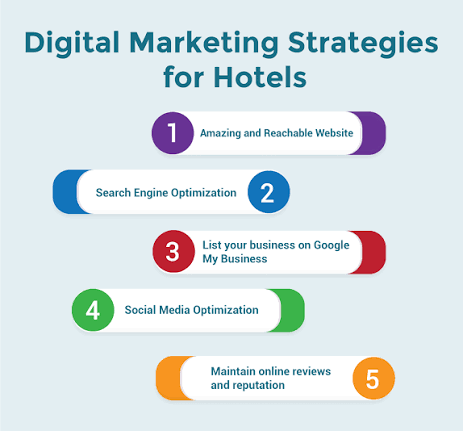
The hospitality industry is changing as travellers increasingly depend on online platforms to discover accommodation, compare facilities, and make reservations. For hotels, this shift creates new opportunities to connect with potential guests beyond traditional advertising and travel recommendations. A strong digital presence helps properties showcase their offerings, communicate their advantages, and reach people planning trips for business, leisure, or special occasions.
However, achieving consistent online visibility requires more than publishing a website or posting occasionally on social media. Hotels need a coordinated strategy that combines search optimization, relevant content, local visibility, and performance analysis to support their marketing objectives.
Establishing a Strong Online Identity
A hotel's website and digital profiles often shape the first impression a traveller develops about the property. Visitors expect accurate information about room categories, dining facilities, amenities, location, and reservation policies. A clear presentation of these details helps potential guests understand what the hotel offers.
A Hotels Digital Marketing Agency can help hospitality businesses build a consistent online identity that reflects their positioning and target audience. The strategy may include website optimization, social media campaigns, content development, and paid advertising tailored to the hotel's goals.
For instance, a resort may highlight recreational facilities and memorable local experiences, while a business hotel may emphasize meeting spaces, connectivity, and convenient access to commercial areas. Communicating these differences helps hotels attract guests whose expectations align with their services.
Improving Search Engine Visibility
Search engines help travellers discover accommodation when researching destinations, comparing properties, or looking for specific facilities. Hotels that provide relevant information and maintain technically sound websites can improve their opportunities to appear for appropriate searches.
Professional Hotel SEO Services involve keyword research, website audits, on-page optimization, content development, and technical improvements. These activities help identify the terms travellers use and the pages that can best address their requirements.
Hotel websites can benefit from dedicated pages covering rooms, restaurants, wedding venues, conference facilities, and accommodation packages. Informative headings, descriptive page titles, useful internal links, and original content make these pages easier to navigate.
Technical optimization is equally important. Mobile responsiveness, page speed, logical website architecture, and correct indexing help create a better experience for visitors while supporting search engine accessibility. Regular audits can uncover issues that need attention as the website grows.
Making Local Searches More Effective
Travellers frequently search for hotels near airports, railway stations, tourist attractions, hospitals, exhibition centres, and business districts. Local SEO helps properties improve their visibility for searches connected to these destinations.
Hotels should maintain an accurate Google Business Profile with updated contact details, photographs, amenities, and location information. Consistent business details across relevant online directories also help prospective guests find the property.
Guest reviews can influence how travellers evaluate accommodation options. Hotels should encourage honest feedback without pressuring guests and respond professionally to both positive and negative comments. This demonstrates attentiveness and gives businesses an opportunity to address service concerns.
Publishing destination-specific content can further support local visibility. Articles about nearby attractions, restaurants, transportation, and seasonal events provide practical information that helps travellers plan their stays.
Creating Content That Builds Trust
Content marketing enables hotels to answer questions before guests make a reservation. Detailed room descriptions, facility guides, dining information, event pages, and frequently asked questions help visitors evaluate whether the property suits their needs.
Hotels can also publish travel guides covering local sightseeing, weekend itineraries, business travel tips, and family-friendly activities. These resources may attract visitors who are researching a destination and introduce them to the hotel's services.
Visual content complements written information. Professional photographs and short videos can showcase rooms, restaurants, recreational areas, and the surrounding destination. All content should accurately represent the property and the experiences it provides.
Social media can extend the reach of this material through regular updates, seasonal offers, and engaging property highlights.
Converting Online Visitors Into Guests
A successful marketing strategy should make it easy for interested visitors to complete a booking. Hotels can improve their websites by providing clear reservation buttons, straightforward navigation, transparent pricing, and accessible availability information.
The booking process should function smoothly across mobile devices and desktop computers. Clear details about cancellation policies, check-in procedures, and included services can also help guests make informed decisions.
Paid advertising can support these efforts by promoting relevant packages and offers to suitable audiences. Hotels should measure campaign performance through enquiries, confirmed reservations, and acquisition costs rather than relying only on clicks or impressions.
Tracking Results and Improving Performance
Regular monitoring helps hotels understand whether their marketing activities are contributing to business growth. Useful indicators include organic search traffic, keyword visibility, website engagement, booking enquiries, and direct reservation performance.
Analysing these metrics can reveal content gaps, technical issues, and opportunities to improve conversion rates. Consistent reviews also allow hotel managers to adjust their strategies as customer expectations and seasonal demand change.
Conclusion
A coordinated digital strategy helps hotels strengthen their online presence, communicate their unique offerings, and reach travellers searching for accommodation. Search optimization, local visibility, relevant content, and a convenient booking experience all contribute to effective digital marketing.
By focusing on guest needs and continuously evaluating performance, hotels can create more opportunities for direct reservations, improve brand recognition, and support sustainable growth in the competitive hospitality industry.