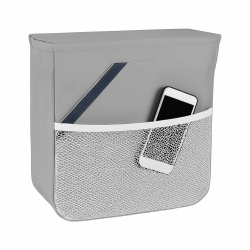
Boats are regularly exposed to sunlight, water, salt, dust, dirt, and changing weather conditions. Over time, these elements can affect upholstery, equipment, fittings, and other important components. Covers and Protectors provide a practical way to shield valuable boat surfaces and equipment while helping owners reduce maintenance requirements and preserve their vessel's appearance.
Why Covers and Protectors Matter
A boat that is stored outdoors or used frequently can accumulate dirt and moisture quickly. UV rays can cause fabrics and other materials to fade, while rain and humidity may contribute to moisture-related problems.
Using suitable covers and protective products creates an additional barrier between the boat and these environmental factors. They can help keep equipment cleaner and reduce direct exposure when the vessel is not in use.
Different Types of Boat Covers
Boat covers are available in many styles to suit different parts of a vessel. Full covers can protect much of the boat during storage, while cockpit covers can focus on seating and controls. Specialized covers are also available for consoles, seats, steering wheels, engines, and other equipment.
The appropriate cover depends on the size and design of the boat as well as how and where it is stored. A properly fitted cover can provide more effective protection than a loose or unsuitable alternative.
Protecting Equipment and Accessories
Protectors can be useful for individual components that require additional protection. Engine covers, equipment bags, protective mats, and storage covers can help shield specific items from dust, moisture, sunlight, and accidental damage.
Protective products are particularly useful for equipment that may be exposed to harsh conditions even when the rest of the boat is covered. By protecting individual components, boat owners can support the overall condition and longevity of their equipment.
Choosing Durable Materials
Material quality is an important consideration when selecting covers and protectors. Marine products should be designed to withstand outdoor conditions, including UV exposure, moisture, wind, and repeated handling.
Water-resistant materials can help prevent rain from reaching protected surfaces, while breathable fabrics can reduce moisture buildup underneath a cover. Strong stitching, reinforced edges, and durable fasteners can further improve reliability.
Proper Fit and Secure Installation
A good fit is essential for effective protection. Covers should be appropriately sized for the equipment or boat component they are designed to protect. An oversized cover may move in windy conditions, while an excessively tight cover can place stress on seams and attachment points.
Straps, buckles, drawcords, and other fastening systems can help keep protective covers securely positioned. Before installation, users should follow the manufacturer's instructions and ensure that the cover is properly supported.
Maintenance of Covers and Protectors
Protective equipment needs care to remain effective. Dirt, salt, and other residues should be removed regularly according to the manufacturer's cleaning instructions. Covers should also be dried thoroughly before being folded and stored.
Regular inspections can identify worn seams, damaged fasteners, or small tears before they become larger problems. Proper storage in a clean and dry location can further extend the useful life of protective products.
Selecting the Right Protection
When choosing Covers and Protectors, boat owners should consider the type of equipment, storage conditions, climate, frequency of use, and required level of protection. A product designed specifically for marine applications is generally more suitable for outdoor boating environments.
The right combination of full covers and specialized protectors can provide comprehensive protection without making everyday boat use inconvenient.
Conclusion
Covers and Protectors are valuable accessories for maintaining a boat and its equipment. From full vessel covers to specialized protectors for seats, engines, consoles, and other components, these products help reduce exposure to sunlight, moisture, dust, and other environmental elements. By choosing durable materials, ensuring a proper fit, and maintaining protective products regularly, boat owners can keep their vessels cleaner, better protected, and ready for enjoyable time on the water.